Buy wmqv.com ?
We are moving the project
wmqv.com .
Are you interested in purchasing the domain
wmqv.com ?
domain@kv-gmbh.de · 0541-91531010
Buy wmqv.com ?
At what salinity is water drinkable?
Water is considered drinkable when it has a salinity level of less than 500 mg/L (milligrams per liter). This level of salinity is generally safe for human consumption and does not pose any health risks. Water with higher salinity levels may taste salty and can have a laxative effect if consumed in large quantities. **
At what salinity level is water drinkable?
Water is considered drinkable when it has a salinity level of less than 500 mg/L (milligrams per liter). This level of salinity is considered safe for human consumption and does not pose any health risks. Higher levels of salinity can make water taste salty and can have negative effects on the body if consumed in large quantities. **


Similar search terms for Salinity
Top-Angebote
Products related to Salinity:
-
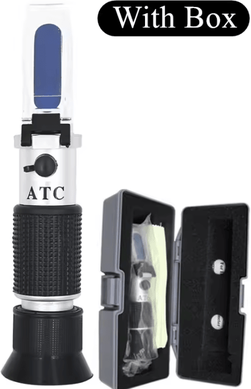
Inspire Curations Handheld Salinity Refractometer For Saltwater Aquariums with BoxMonitor saltwater conditions with confidence using this salinity refractometer designed for quick and convenient liquid testing. Its dualscale measurement allows users to check salinity from 0100 and specific gravity from 1.0001.070 SG, making...133,00 $*Shipping: 0,00 $Secure redirect to the provider
-
Inspire Curations 0 28% ATC Salinity Refractometer For Seawater And Saltwater Testing without BoxKeep salt levels under control with this salinity refractometer, designed for quick and convenient testing of seawater and saline solutions. Its 028% measurement range makes this saltwater concentration tester useful for aquariums, food preparation,...95,00 $*Shipping: 0,00 $Secure redirect to the provider


-
Why do oceans have different levels of salinity?
Oceans have different levels of salinity due to a variety of factors. One major factor is the amount of freshwater input from rivers, precipitation, and melting ice. Areas with high freshwater input tend to have lower salinity levels, while areas with high evaporation rates and limited freshwater input have higher salinity levels. Additionally, ocean currents can also play a role in distributing and mixing saltwater, leading to variations in salinity levels across different regions of the ocean. Finally, the temperature of the water can also affect salinity, as warmer water can hold more salt than colder water. **
-
Could very many artificial freshwater lakes possibly have an impact on the salinity of the seas?
Yes, the creation of very many artificial freshwater lakes could potentially have an impact on the salinity of the seas. This is because the water that would have otherwise flowed into the sea is being diverted to these lakes, reducing the amount of freshwater entering the sea. As a result, the salinity of the sea could increase due to the imbalance in the water cycle. Additionally, the reduced freshwater flow into the sea could also impact the ecosystems and marine life that rely on a certain level of salinity for survival. **
-
Can the expansion of seawater desalination plants meet the freshwater needs of humanity and simultaneously increase the salinity concentration of seawater?
While seawater desalination plants can help meet the freshwater needs of humanity, their expansion can also lead to an increase in the salinity concentration of seawater. This is because the process of desalination removes freshwater from seawater, leaving behind a more concentrated brine that is often discharged back into the ocean. If not properly managed, this discharge can contribute to the overall salinization of seawater. Therefore, it is important to consider the environmental impacts and sustainability of seawater desalination projects to ensure they do not exacerbate salinity issues in the long term. **
-
What equipment should my streaming PC have?
Your streaming PC should have a powerful CPU, such as an Intel Core i7 or AMD Ryzen 7, to handle the encoding and streaming process. It should also have a dedicated graphics card, like an NVIDIA GeForce or AMD Radeon, to handle the rendering of games and other graphics-intensive tasks. Additionally, a good amount of RAM (at least 16GB) and a fast SSD for storage are important for smooth performance. A high-quality capture card may also be necessary if you plan on streaming from a console or capturing footage from another source. Lastly, a reliable internet connection and a good quality microphone and webcam are essential for a successful streaming setup. **


How can one learn Audio HiFi technology?
One can learn Audio HiFi technology by taking online courses or attending workshops that focus on audio equipment, sound systems, and acoustics. Reading books and articles on the subject can also provide valuable insights into the technology and its applications. Additionally, hands-on experience with different audio equipment and systems can help in understanding how they work and how to optimize their performance. Networking with professionals in the audio industry and seeking mentorship can also be beneficial in learning Audio HiFi technology. **
Can the expansion of seawater desalination plants cover the freshwater needs of humanity and at the same time increase the salinity concentration of seawater?
The expansion of seawater desalination plants can help cover the freshwater needs of humanity, especially in regions facing water scarcity. However, the process of desalination can also increase the salinity concentration of seawater, which can have negative impacts on marine ecosystems and coastal environments. Therefore, it is important to carefully consider the environmental implications of expanding desalination plants and to explore sustainable water management strategies that minimize the potential negative effects on the marine environment. Additionally, it is important to consider the energy and cost implications of scaling up desalination to meet global freshwater needs. **
Top-Angebote
Products related to Salinity:
-
Inspired Deals Salinity Refractometer With ATC Dual Scale Saltwater Specific Gravity Meter Salinity Refractometer With ATC Dual Scale Saltwater Specific Gravity MeterKeep salt levels confidently in check with a compact tool built for quick, dependable testing. The RZ118 saltwater salinity meter measures both NaCl concentration and specific gravity, making it practical for aquariums, marine applications, food...54,97 $*Shipping: 0,00 $Secure redirect to the provider
-
Uplift Essentials Handheld Aquarium Saltwater Salinity Refractometer without BoxMaintain precise salinity levels in marine environments with this salinity refractometer. Engineered specifically for saltwater aquariums, reef tanks, and marine aquaculture, this precision optical testing instrument measures salt concentrations...62,97 $*Shipping: 0,00 $Secure redirect to the provider
-
Inspire Curations Handheld Salinity Refractometer For Saltwater Aquariums with BoxMonitor saltwater conditions with confidence using this salinity refractometer designed for quick and convenient liquid testing. Its dualscale measurement allows users to check salinity from 0100 and specific gravity from 1.0001.070 SG, making...133,00 $*Shipping: 0,00 $Secure redirect to the provider
-
Inspire Curations 0 28% ATC Salinity Refractometer For Seawater And Saltwater Testing without BoxKeep salt levels under control with this salinity refractometer, designed for quick and convenient testing of seawater and saline solutions. Its 028% measurement range makes this saltwater concentration tester useful for aquariums, food preparation,...95,00 $*Shipping: 0,00 $Secure redirect to the provider
-
At what salinity is water drinkable?
Water is considered drinkable when it has a salinity level of less than 500 mg/L (milligrams per liter). This level of salinity is generally safe for human consumption and does not pose any health risks. Water with higher salinity levels may taste salty and can have a laxative effect if consumed in large quantities. **
-
At what salinity level is water drinkable?
Water is considered drinkable when it has a salinity level of less than 500 mg/L (milligrams per liter). This level of salinity is considered safe for human consumption and does not pose any health risks. Higher levels of salinity can make water taste salty and can have negative effects on the body if consumed in large quantities. **
-
Why do oceans have different levels of salinity?
Oceans have different levels of salinity due to a variety of factors. One major factor is the amount of freshwater input from rivers, precipitation, and melting ice. Areas with high freshwater input tend to have lower salinity levels, while areas with high evaporation rates and limited freshwater input have higher salinity levels. Additionally, ocean currents can also play a role in distributing and mixing saltwater, leading to variations in salinity levels across different regions of the ocean. Finally, the temperature of the water can also affect salinity, as warmer water can hold more salt than colder water. **
-
Could very many artificial freshwater lakes possibly have an impact on the salinity of the seas?
Yes, the creation of very many artificial freshwater lakes could potentially have an impact on the salinity of the seas. This is because the water that would have otherwise flowed into the sea is being diverted to these lakes, reducing the amount of freshwater entering the sea. As a result, the salinity of the sea could increase due to the imbalance in the water cycle. Additionally, the reduced freshwater flow into the sea could also impact the ecosystems and marine life that rely on a certain level of salinity for survival. **
Similar search terms for Salinity
-
Uplift Essentials Handheld Aquarium Saltwater Salinity Refractometer with BoxMaintain precise salinity levels in marine environments with this salinity refractometer. Engineered specifically for saltwater aquariums, reef tanks, and marine aquaculture, this precision optical testing instrument measures salt concentrations...64,97 $*Shipping: 0,00 $Secure redirect to the provider
-
Can the expansion of seawater desalination plants meet the freshwater needs of humanity and simultaneously increase the salinity concentration of seawater?
While seawater desalination plants can help meet the freshwater needs of humanity, their expansion can also lead to an increase in the salinity concentration of seawater. This is because the process of desalination removes freshwater from seawater, leaving behind a more concentrated brine that is often discharged back into the ocean. If not properly managed, this discharge can contribute to the overall salinization of seawater. Therefore, it is important to consider the environmental impacts and sustainability of seawater desalination projects to ensure they do not exacerbate salinity issues in the long term. **
-
What equipment should my streaming PC have?
Your streaming PC should have a powerful CPU, such as an Intel Core i7 or AMD Ryzen 7, to handle the encoding and streaming process. It should also have a dedicated graphics card, like an NVIDIA GeForce or AMD Radeon, to handle the rendering of games and other graphics-intensive tasks. Additionally, a good amount of RAM (at least 16GB) and a fast SSD for storage are important for smooth performance. A high-quality capture card may also be necessary if you plan on streaming from a console or capturing footage from another source. Lastly, a reliable internet connection and a good quality microphone and webcam are essential for a successful streaming setup. **
-
How can one learn Audio HiFi technology?
One can learn Audio HiFi technology by taking online courses or attending workshops that focus on audio equipment, sound systems, and acoustics. Reading books and articles on the subject can also provide valuable insights into the technology and its applications. Additionally, hands-on experience with different audio equipment and systems can help in understanding how they work and how to optimize their performance. Networking with professionals in the audio industry and seeking mentorship can also be beneficial in learning Audio HiFi technology. **
-
Can the expansion of seawater desalination plants cover the freshwater needs of humanity and at the same time increase the salinity concentration of seawater?
The expansion of seawater desalination plants can help cover the freshwater needs of humanity, especially in regions facing water scarcity. However, the process of desalination can also increase the salinity concentration of seawater, which can have negative impacts on marine ecosystems and coastal environments. Therefore, it is important to carefully consider the environmental implications of expanding desalination plants and to explore sustainable water management strategies that minimize the potential negative effects on the marine environment. Additionally, it is important to consider the energy and cost implications of scaling up desalination to meet global freshwater needs. **
* All prices are inclusive of VAT and, if applicable, plus shipping costs. The offer information is based on the details provided by the respective shop and is updated through automated processes. Real-time updates do not occur, so deviations can occur in individual cases. ** Note: Parts of this content were created by AI.